
Trading Alerts Online
  • Stock
  • World News
  • Investing
  • Tech News
  • Editor’s Pick
Editor's PickInvesting

New Debanking Report Published by Cato Institute

by January 8, 2026
January 8, 2026

Nicholas Anthony

Today marks the publication of my latest report: Understanding Debanking. The report reviews the growing phenomenon of debanking—the sudden and often unexplained closure of financial accounts.

While media and political narratives often attribute these closures to political or religious discrimination, I found that the majority of debanking cases stem from governmental pressure.

Yet, documenting these experiences is only one piece of the report. Another is recommending a new framework for evaluating these experiences. To do so, I introduced four new categories of debanking: governmental, operational, political, and religious.
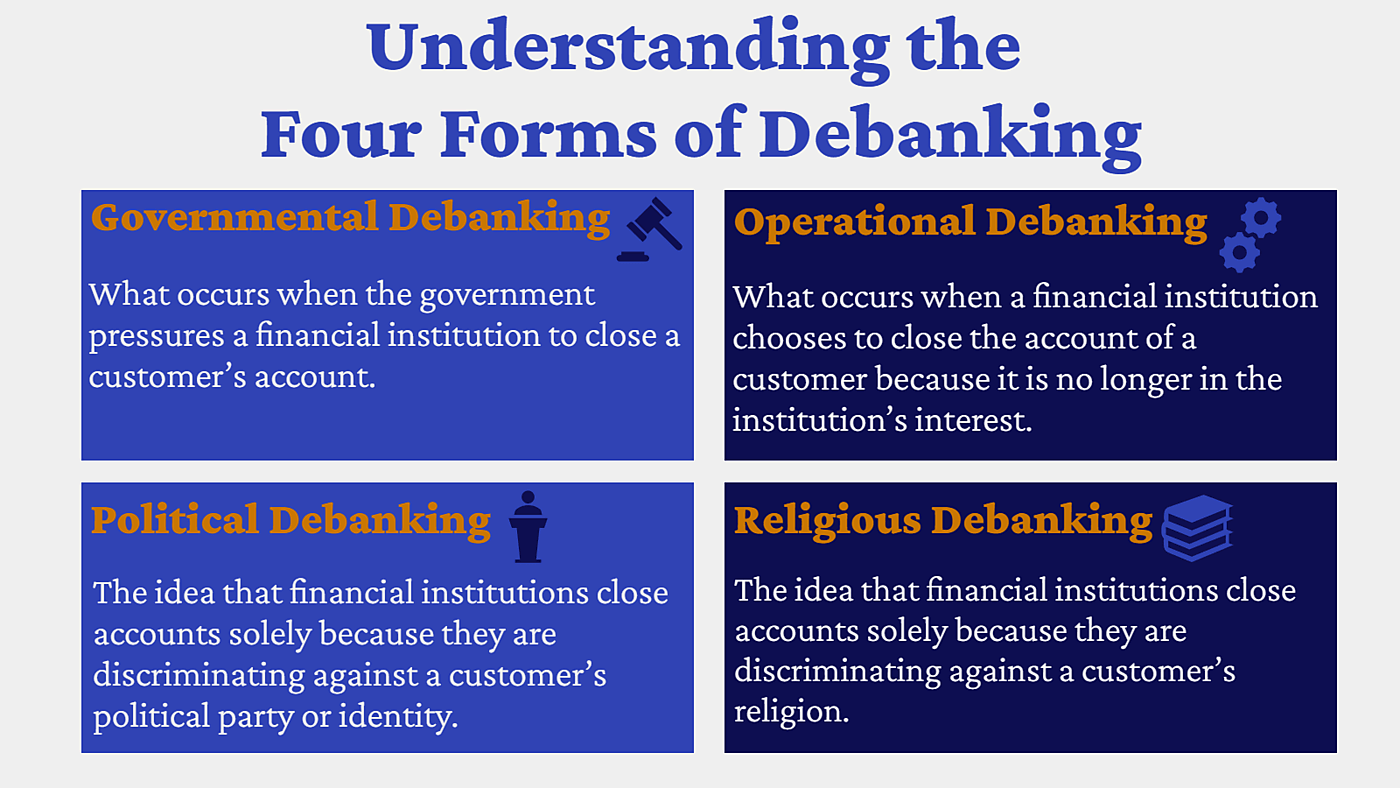
Four forms of debanking

Based on public evidence, governmental debanking is the most pressing issue. Those familiar with the fight for financial freedom will likely recall Operation Choke Point. This Department of Justice initiative from the 2010s involved coordinating regulators to choke off businesses from the air they needed to survive: money and access to the banking system. Although it started as a fight against fraud, it quickly began targeting disfavored businesses like payday loan shops.

This same trend has emerged again more recently when the Federal Deposit Insurance Corporation (FDIC) sent confidential letters to banks telling them to shut down their cryptocurrency-related activities.

If Congress is going to put an end to these abuses once and for all, serious reforms are needed. To that end, my report offers targeted reforms (and legislative language) to bring governmental debanking to an end. That means reforming confidentiality laws, reforming the reputational risk regulation, and reforming the Bank Secrecy Act. Doing so would bring debanking out of the dark, remove the tools regulators use to close accounts, and reduce the incentives to debank.

You can find the full report here.
previous post
Why The Monroe Doctrine Cannot be Reestablished
next post
Do the Feds Still Merit the Court’s Presumption of Regularity?

You may also like

Should Policy Restrict Share Buybacks?

February 26, 2026

Pentagon’s Demands on Anthropic Would Remove Layers of...

February 26, 2026

Election Policy Roundup

February 26, 2026

Sore Losers at the Supreme Court: The Government...

February 26, 2026

Against a Two-for-One Offer of Price Controls on...

February 26, 2026

Social Media Addiction Trial Begins, With Stakes for...

February 25, 2026

The Invincibility Gap: How Constitutional Safeguards Have Become...

February 25, 2026

A “War on Fraud” Will Not Balance the...

February 25, 2026

How the Welfare State’s Financing Structure Enables Waste,...

February 25, 2026

The New Trump Tariffs Are Also Unlawful

February 24, 2026

    Stay updated with the latest news, exclusive offers, and special promotions. Sign up now and be the first to know! As a member, you'll receive curated content, insider tips, and invitations to exclusive events. Don't miss out on being part of something special.


    By opting in you agree to receive emails from us and our affiliates. Your information is secure and your privacy is protected.

    Recent Posts

    • ‘Nature-Al’ Entrepreneurship: Being Green Without the State

      February 26, 2026
    • Should Policy Restrict Share Buybacks?

      February 26, 2026
    • Pentagon’s Demands on Anthropic Would Remove Layers of Accountability

      February 26, 2026
    • Election Policy Roundup

      February 26, 2026
    • Sore Losers at the Supreme Court: The Government Doesn’t Want to Pay Back Unlawful Tariff Money After All

      February 26, 2026
    • About us
    • Contact us
    • Privacy Policy
    • Terms & Conditions

    Copyright © 2025 tradingalertsonline.com | All Rights Reserved

    Trading Alerts Online
    • Stock
    • World News
    • Investing
    • Tech News
    • Editor’s Pick